


Fair Pack

Leading Packaging Machinery Manufacturer – Aseptic, VFFS, Multihead Weigher, Auger Filler, Flow Wrap, PFS & Semi-Automatic Machines | Serving India, UAE, Saudi Arabia, Africa, Europe, USA & More
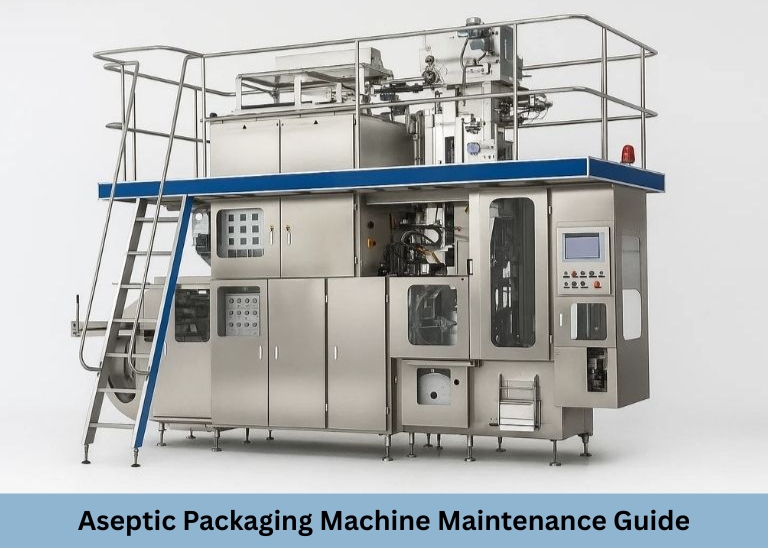
Aseptic Packaging Machine Maintenance Guide

Aseptic Packaging Machines Maintenance, Troubleshooting & Performance

Objective of the Article

The objective of this article is to provide an in-depth guide on the maintenance, troubleshooting, and performance optimization of aseptic packaging machines. Aseptic packaging plays a critical role in extending the shelf life of products without refrigeration, and ensuring that these machines operate effectively is essential for maintaining product quality and safety. This article will explore common issues, maintenance tips, preventive practices, and the importance of operator training to ensure the long-term performance and integrity of aseptic packaging systems.

Aseptic Packaging Machines Maintenance, Troubleshooting & Performance

Aseptic packaging machines are crucial in industries such as food, beverage, pharmaceuticals, and cosmetics for preserving the shelf life of products without refrigeration. Proper maintenance, troubleshooting, and performance optimization are key to ensuring these machines deliver consistent results, minimizing downtime, and preventing costly errors.

In this article, we’ll explore essential practices and insights to ensure aseptic machines run efficiently, their performance remains optimal, and any potential issues are addressed promptly.

Common Issues and Maintenance Tips for Aseptic Packing Machines

Aseptic packing machines, despite being highly efficient, can experience common operational issues that may affect their performance. Some of the typical problems include:

  1. Product Contamination:
    • Cause: Improper sterilization of the packaging material or product.
    • Solution: Regularly check the sterilization unit, and ensure that both the product and packaging are being sterilized correctly. Perform routine checks on sterilizing agents (e.g., hydrogen peroxide) and sterilization temperature settings.
  2. Sealing Failures:
    • Cause: Malfunction of the sealing mechanism or improper sealing temperature.
    • Solution: Check the sealing units and ensure they are in proper working condition. Inspect sealing jaws for wear and tear and replace them as needed. Verify the temperature and pressure settings to ensure they are within the recommended ranges.
  3. Filling Inaccuracies:
    • Cause: Incorrect filling volume or inconsistent filling pressure.
    • Solution: Regularly calibrate the filling system and check the filling valves for any blockages or wear. Clean the filling nozzles and ensure the filling mechanism is free from contamination.
  4. Air Leaks in Packaging:
    • Cause: Faulty hermetic sealing.
    • Solution: Check for air leaks around the packaging material. Make sure the hermetic sealing system is functioning properly and the sealing parameters are set correctly.
  5. Machine Overheating:
    • Cause: Insufficient cooling or buildup of heat due to continuous operation.
    • Solution: Regularly inspect the cooling systems and clean any cooling fans or ducts. Ensure there is adequate airflow, especially in the sterilization chamber, to avoid overheating.

Quality Assurance and Validation in Aseptic Packaging Systems

Quality assurance (QA) and validation are essential elements in ensuring that aseptic packaging systems maintain the highest standards of product safety and integrity. Here are some critical steps involved in QA and validation:

  1. Sterilization Validation:
    • Ensure the sterilization process, both for the product and the packaging material, is validated. This includes verifying the temperature, time, and concentration of sterilizing agents (e.g., hydrogen peroxide) used during the process.
  2. Microbial Testing:
    • Conduct routine microbiological tests to ensure the absence of harmful microorganisms in the packaging environment. Sterility tests should be carried out before, during, and after production runs to verify the effectiveness of the sterilization process.
  3. Filling Accuracy:
    • Regularly validate the filling system to ensure that the correct amount of product is dispensed. Use calibrated measuring devices and check fill volumes to meet regulatory requirements for accuracy.
  4. Packaging Integrity Testing:
    • Perform tests to ensure hermetic sealing is intact. This includes checking for leaks in the packaging, which could compromise product sterility. Use methods like pressure decay testing or vacuum testing.
  5. Regular Calibration:
    • Ensure that all measuring instruments and control systems, including temperature and pressure gauges, are regularly calibrated. This is crucial for maintaining the system’s precision and consistency.

Preventive Maintenance Practices for Long-Term Machine Efficiency

Preventive maintenance (PM) is essential for extending the life of aseptic packing machines and ensuring their optimal performance. Implementing a PM program involves the following practices:

  1. Routine Inspections:
    • Schedule periodic checks to identify any signs of wear and tear in critical components such as filling nozzles, sealing jaws, and sterilization chambers. Early detection can prevent major failures.
  2. Cleaning and Lubrication:
    • Regularly clean the machine components, including sterilization units and filling valves, to prevent product buildup and contamination. Proper lubrication of moving parts (such as gears and conveyors) is necessary to avoid friction-related damage.
  3. Replacement of Worn Parts:
    • Replace any worn parts, such as seals, gaskets, and filters, at regular intervals to prevent unexpected breakdowns. Pay particular attention to parts in direct contact with the product or packaging material.
  4. Check and Calibrate Sensors:
    • Sensors play a key role in maintaining the accuracy of the sterilization, filling, and sealing processes. Regularly calibrate these sensors to ensure that temperature, pressure, and humidity levels are accurate and within required parameters.
  5. Preventive Sterilization System Maintenance:
    • Maintain the sterilization system to ensure that sterilizing agents (e.g., hydrogen peroxide) are used correctly. Inspect and clean sterilization units and replace sterilizing chemicals as needed to ensure optimal performance.

How to Optimize Filling Accuracy and Product Safety in Aseptic Systems

Filling accuracy and product safety are the cornerstones of aseptic packaging. To optimize these aspects:

  1. Precise Calibration:
    • Ensure that the filling system is precisely calibrated to avoid overfilling or underfilling. Use flow meters or volumetric control systems to maintain consistency across production runs.
  2. Check for Consistent Flow Rate:
    • Regularly inspect the product flow rate to ensure it remains consistent throughout production. Variations in flow can lead to filling inaccuracies and impact the product’s shelf life.
  3. Monitor Product Quality During Production:
    • Use in-line sensors to monitor the product’s temperature, viscosity, and other key parameters during the filling process. This ensures that the product remains in a sterile state and meets quality standards.
  4. Maintain Packaging Sterility:
    • Ensure the packaging is sterilized correctly before product contact. Monitor and maintain the integrity of the hermetic seals to prevent contamination.
  5. System Integration:
    • Integrating filling and sterilization systems with automated controls ensures that the entire process, from sterilization to sealing, operates smoothly and maintains product safety.

The Role of Operator Training in Ensuring Aseptic Integrity

The role of operator training cannot be overstated when it comes to maintaining aseptic integrity. Operators are the first line of defense in ensuring the correct operation of aseptic packing machines. Here’s how proper training impacts aseptic operations:

  1. Understanding Sterilization Processes:
    • Operators must be trained on the specifics of sterilization systems, including the sterilization temperatures, exposure times, and methods used for both the product and packaging materials. Mismanagement in this area can lead to contamination.
  2. Machine Handling and Maintenance:
    • Well-trained operators can identify minor issues before they become significant problems. Regular training ensures that operators are proficient in the routine maintenance procedures such as cleaning, calibration, and part replacement.
  3. Quality Control Procedures:
    • Operators should be knowledgeable in quality assurance protocols, including microbial testing, leak detection, and the use of instruments to monitor the sterilization process.
  4. Troubleshooting Skills:
    • Proper training enables operators to troubleshoot common problems, such as filling inaccuracies, packaging defects, or sterilization issues, preventing delays in production.
  5. Compliance with Regulatory Standards:
    • Operators must understand the regulatory standards for aseptic packaging, ensuring that the machine meets local and international standards for food and pharmaceutical safety.
 
Wish to Explore Packaging Solutions Whatsapp Now
 

Conclusion

Proper maintenance, troubleshooting, and performance optimization of aseptic packing machines are essential for maintaining the integrity, safety, and shelf life of packaged products. By addressing common issues, implementing preventive maintenance practices, ensuring filling accuracy, and providing comprehensive operator training, businesses can maximize the efficiency and longevity of their aseptic packaging systems. Quality assurance, validation, and troubleshooting techniques also ensure that aseptic processes meet the stringent safety standards required in food, beverage, and pharmaceutical industries.

x

Call now

    agree that Steeler will collect my name and email information
    ×